Play European Roulette Online Free Without Risking a Dollar
How Return To Player Shapes Pokie Choices Across Australia
September 21, 2026Paying In at Respin Casino: Deposit Methods for Australian Players
September 21, 2026Play European Roulette Online Free Without Risking a Dollar
You want to see how the wheel behaves before you commit anything, and that is a sensible approach on any busy floor. European roulette online free lets you watch the track, test your timing, and build a feel for the sequence without handing over cash. I have watched plenty of players burn through a session because they started at real stakes with no rhythm. A free run is not a shortcut to profit, but it does help you notice the pace, the dealer cadence, and the way a table settles after a run of numbers.
Why a Free Run Matters Before You Risk Real Money
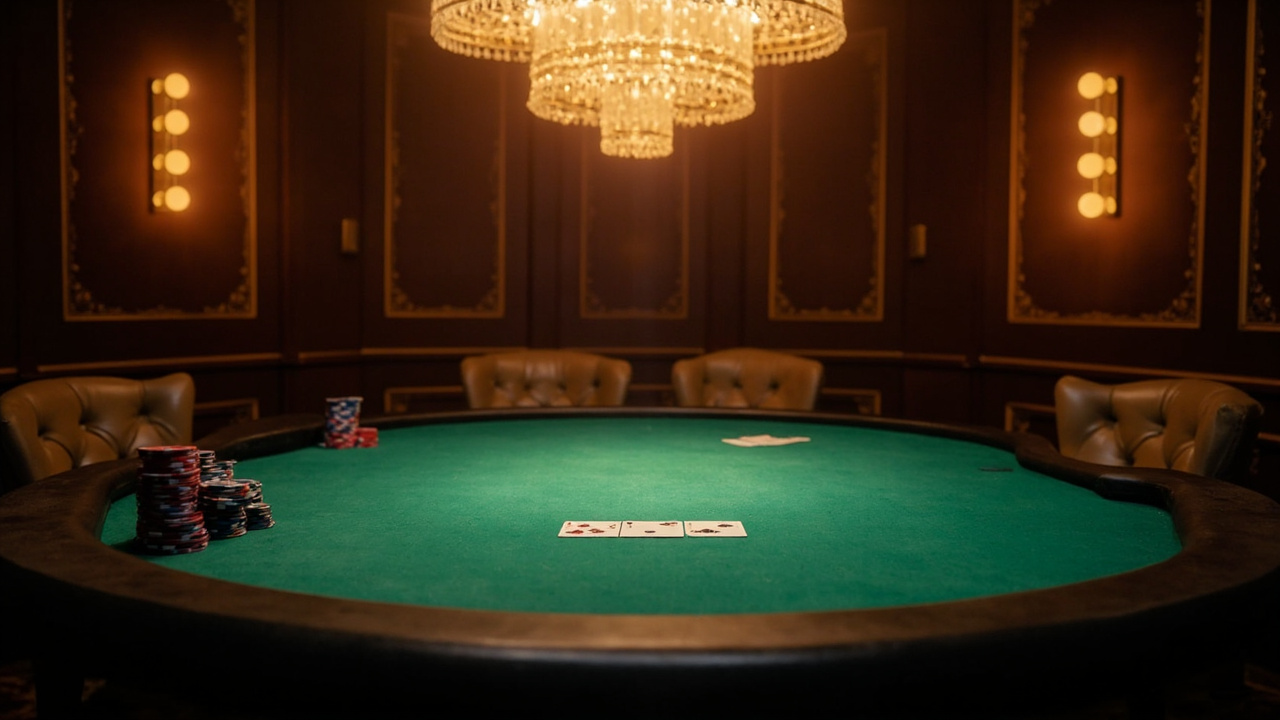
The real reason I push a practice session is discipline, not entertainment. On a live floor I have seen a player chase a dozen losses because they treated every spin as a fresh start rather than part of a longer sequence. A free table strips away the pressure and lets you watch the same wheel behaviour you would see for real: the same pockets, the same sequence of outcomes, the same temptation to raise a bet after a near miss. You learn how quickly a session can drift when you are not checking your own limits.
A proper site should make that practice environment honest about what it is. The free mode is a training track, not a promise that the same pattern will repeat when money is on the table. If you are comparing options, look for a platform that keeps the free play separate from the real-money account rather than blurring the two. That separation matters because it protects your headspace and keeps the demo from feeling like a sales pitch. When you are ready to judge a platform on trust and controls, hell’s casino is one place where you can see how a site presents its free table alongside the rest of its setup.
Trust, Support, and Account Controls That Actually Matter
Licensing, Security, and Privacy From the Start
A site that wants your time needs to be clear about who is running it and how your details are handled. The first thing I check is whether the operator states its licensing position plainly, because vague wording usually means vague accountability. Security should be more than a logo in the footer; you want to see that login details, payment information, and session data are handled with ordinary care rather than treated as an afterthought. Privacy matters here because a free table still asks you to create an account on many platforms, and that account often becomes the same doorway you use later for real play.
Support is where a lot of operators show their true shape. A decent help setup is not just a form that disappears into the void; it is a contact route that answers a clear question without making you repeat yourself three times. If you are playing from Western Sydney on a lunch break or after work, you do not want to wrestle with a help system that only works in theory. A fair platform keeps its account controls visible too, so you can see deposit options, session settings, and any limits before you get comfortable. I have had to pull players aside on the floor when their habits started slipping, and the same principle applies online: the controls should be easy to find before you need them, not buried after you have already spent too long on the table.
Responsible-Play Tools and Real Support When You Need It
The tools that matter are the ones you can actually use without jumping through hoops. A sensible platform gives you ways to slow yourself down, whether that is a clear break option, a deposit limit, or a reminder that you have been sitting at the same table for a while. I have always treated those controls as part of the game, not as a warning label bolted on at the end. A free session should still sit inside the same responsible-play framework as the real-money side, because habits do not change just because the chips are not real.
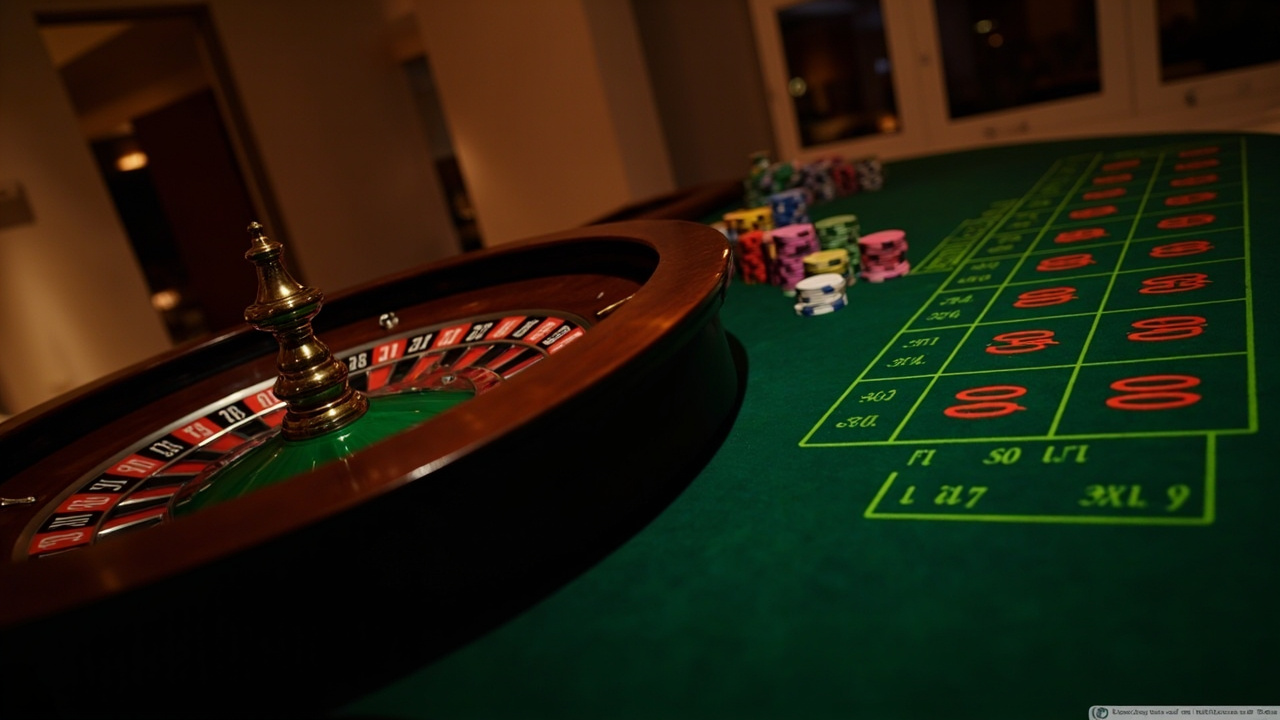
Support should also be able to handle the ordinary questions that come up during a session, not only the crisis moments. If a payment status is unclear, if an account setting looks wrong, or if you want to know how a limit works, the answer should be straightforward. I have seen operators talk a good game about player safety and then make the actual tools hard to reach, which is the opposite of useful. A site that treats responsible play as part of its service usually gives you a cleaner experience overall. When you are reading up on how operators handle that side of the business, daily liberal reports often carry local angles on gambling-related issues that are worth keeping in mind. The same goes for broader industry coverage, where gambling news updates can show how different markets talk about player protection and operator accountability.
Matching the Free Table to How You Actually Play
The right way to use a free table depends on what you are trying to do. If you are there to learn the layout, you want a clean wheel, a clear track, and enough time to watch several sequences without feeling rushed. If you are there to test a betting rhythm, you want the same stake options you would use for real so the practice is not completely detached from your later play. If you are there to settle your nerves before a session, you want a quiet table that does not keep pushing extras at you every few seconds.
That last point matters more than people think. A free table that constantly nudges you toward bonuses, upgrades, or faster play is teaching you the wrong lesson. I have always preferred a table that lets the game breathe, because roulette is a game of patience as much as anything else. A good mobile setup should respect that too, since plenty of players in Australia drop into a quick session on a phone between other things. You do not need a fancy presentation; you need a wheel that loads properly, controls that respond, and no pressure to move faster than you want.
What a Free Session Should Leave You With
A free run should leave you clearer, not more confident in a dangerous way. If you finish a session knowing how the wheel looks, how long a spin takes, and where your own impulses tend to show up, then the practice did its job. If you finish thinking the table owes you a pattern, you have learned the wrong lesson and need to step back. The point is to enter real play with your eyes open, not to convince yourself that a free table has solved anything.
Play the free table as a check on your own habits, not as a rehearsal for a win. Keep your expectations flat, watch the pace, and treat the controls as part of the game from the start. That is the kind of session I would rather see on a floor, and it is the same standard worth carrying into online play.
